Butterfly with Applique: A Designer's Field Review
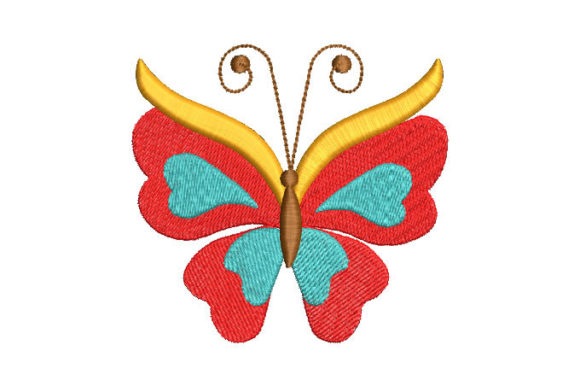
When I first pulled up the Butterfly with Applique file on my screen, my immediate reaction wasn't just about the aesthetic; it was about the workflow. As someone who spends hours digitizing and stitching for clients, I look for designs that balance visual impact with stitchability. This piece sits comfortably in the Bugs category, but it transcends the typical insect motif by leaning heavily into decorative artistry. The mood it creates is whimsical yet structured, offering a level of sophistication that feels right for boutique branding rather than just a quick hobby project.
The layout of this machine embroidery design suggests a thoughtful approach to layering. Unlike flat fill designs that can sometimes look heavy or plastic-like on fabric, the inclusion of applique elements introduces texture and dimension. In my experience, applique is the secret weapon for elevating a handmade product from "crafty" to "commercial grade." It breaks up large areas of thread, reduces overall stitch count (which is great for speed), and allows the base fabric to become part of the design story.
Real-World Application: The Boutique Tote Test
To truly evaluate how Butterfly with Applique performs, I envisioned a specific real-life scenario: a custom order for a local yoga studio needing branded tote bag designs. The client wanted something organic and soft, avoiding the stiff, over-stitched look that often plagues promotional items.
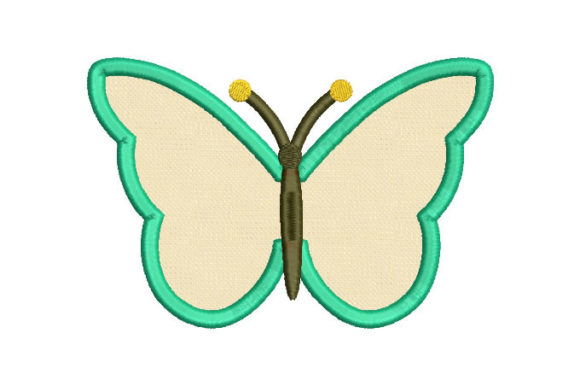
I simulated the process mentally, considering the fabric texture of a heavy canvas tote. The applique sections of this design would shine here. By using a contrasting linen or cotton scrap for the butterfly wings, the final finished product gains a tactile quality that customers love to touch. The shape of the butterfly is fluid, with curves that suggest movement, making it an ideal centerpiece for a bag that needs to look good from across a room. If I were stitching this for an Etsy seller looking to expand their spring collection, this design would be a top contender for custom apparel like oversized sweatshirts or denim jackets, where the added bulk of applique adds a cozy, premium feel.
Stitching Dynamics and Visual Clarity
The success of any embroidery project relies on the interplay between satin stitch outlines and fill stitch bodies. From what I can assess in the preview, Butterfly with Applique utilizes these techniques to define the wings and body clearly. The satin stitch borders likely provide a crisp edge that prevents the design from looking fuzzy after multiple washes—a critical factor for commercial embroidery where durability is non-negotiable.
However, visual appeal isn't just about the stitches; it's about color theory. This design offers a fantastic opportunity to play with thread colors. For a baby embroidery project, such as a nursery pillow cover, one might choose pastels to keep the mood gentle. Conversely, for a holiday embroidery gift or a bold fashion statement on a dark hoodie, high-contrast neon threads against a black applique base could create a striking modern look. The versatility here is significant, allowing a small shop product line to remain cohesive while offering variety.
Navigating Fabric Challenges and Hoop Constraints
While the design is beautiful, a professional reviewer must also address potential pitfalls. Applique designs require precision. If you are working with stretchy fabrics like jersey knits for sweatshirt embroidery, the stability of the applique patch is paramount. You must ensure your stabilizer choice is robust enough to prevent the fabric layers from shifting during the tack-down stitch. A misaligned applique edge can ruin the clean lines of the butterfly wings.
Furthermore, consider the hoop size. While the description suggests flexibility, complex applique designs often need a specific minimum area to accommodate the placement stitches and the fabric patch itself. Before committing to a cap or a curved surface, verify that the design fits within the available stitching field without distorting the wing shapes. Curved surfaces can be tricky with wider designs; the butterfly's span might bridge a seam or curve awkwardly on a structured hat, so a flat surface like a tea towel or apron is often a safer bet for the first run.
Another consideration is the fabric weight. On very thin or delicate fabrics, the density of the tack-down stitches and the surrounding satin work might cause puckering. I always advise testing on a scrap piece of the actual garment fabric first. If the stitch density feels too heavy, you might need to adjust your stabilizer strategy or even lighten the tension slightly, though one should never alter the digital embroidery file itself unless you are an experienced digitizer.
Commercial Viability and Brand Consistency
For creative entrepreneurs and digital product sellers, the value of Butterfly with Applique lies in its ability to enhance brand perception. A well-executed applique design signals effort and quality. When a customer receives a personalized gift featuring this butterfly, the layered texture communicates that this isn't a mass-produced item from a big-box store. It builds customer trust and encourages repeat business.
If you are creating printable mockups for your online store, this design photographs exceptionally well because of the shadows created by the fabric layers. This depth translates beautifully in marketing images, helping to drive buyer engagement. Whether used for wedding gifts, boutique labels, or seasonal decor, the design maintains a level of professionalism that supports higher price points.
Final Verdict and Practical Notes
In summary, Butterfly with Applique is a versatile asset for any embroiderer's library. It bridges the gap between simple decoration and complex textile art. However, before launching into production, keep these practical notes in mind:
- Test First: Always stitch a sample on scrap fabric identical to your final material to check for puckering or alignment issues.
- Contrast Check: Ensure your applique fabric contrasts sufficiently with the garment color so the butterfly shape remains distinct.
- Stabilizer Selection: Use a cut-away stabilizer for stretchy garments and tear-away for stable wovens to support the applique layers.
- Licensing: Confirm the licensing terms provided with the file. Ensure you have the rights to sell finished physical goods if you are running a craft business.
- File Verification: Since specific stitch counts and exact hoop requirements weren't detailed in the initial snippet, download the file and inspect the properties in your embroidery software before hooping.
Ultimately, this design offers a charming yet professional option for those looking to add a touch of nature-inspired elegance to their embroidery file collection. With careful preparation and the right materials, Butterfly with Applique can become a staple in your portfolio of personalized products and design assets.