California Map Embroidery: A Designer's Real-World Review
When I first pulled up the California Map design on my screen, my immediate reaction was one of relief. In a world cluttered with overly complex, stitch-heavy files that eat up thread and test the limits of machine tension, this outline felt refreshingly intentional. As a designer who spends more time troubleshooting bad digitizing than actually stitching, I appreciate when a file respects the medium. This isn't just a shape; it is a versatile machine embroidery design that understands its purpose. It promises to be fun and easy to stitch, and from a professional standpoint, "easy" often translates to reliable, consistent results for client work.
First Impressions: Clean Lines and Versatile Mood
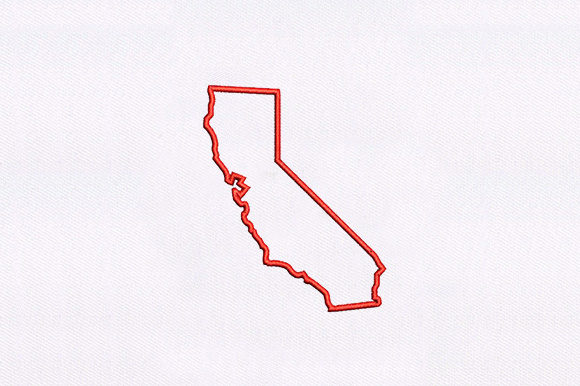
The visual personality of this California Map is defined by its simplicity. It avoids the trap of trying to include every coastal curve or internal county line, which often leads to bird-nesting and broken needles on smaller home machines. Instead, it offers a bold, recognizable silhouette. The mood it creates is modern and graphic, leaning heavily into that trendy "line art" aesthetic that dominates current boutique branding.
Because the description highlights it as an "embroidery outline," I anticipate a predominance of running stitch or a very light satin stitch border. This is crucial for versatility. Heavy fill stitch areas can make a design feel dated or too heavy for lightweight fabrics, but an outline approach keeps the finished product feeling soft and breathable. For an Independence Day collection, this neutrality is a asset; it allows the maker to dictate the theme through thread choice rather than being locked into a specific patriotic palette by the design itself.
Real-World Application: The Custom Tote Bag Scenario
To truly evaluate this file, I imagined a specific real-life scenario: preparing a run of custom canvas tote bags for a local surf shop's summer launch. The client wanted something understated but instantly recognizable. Here is where the California Map shines. On a natural cotton canvas, a single strand of white or cream thread creates a subtle, high-end look that screams "handmade product" without looking amateurish.
If I were scaling this for a different project, say a sweatshirt embroidery job for a college alumni group, the design holds up equally well. The lack of intricate internal detailing means the map remains legible even when scaled down for a left-chest logo or scaled up for a full-back statement piece. For Etsy sellers looking to expand their design assets, this kind of flexibility is gold. You aren't selling just one item; you are selling a motif that works on a baby onesie just as effectively as it does on a structured cap.
Consider the personalized gift market. A customer might want their hometown marked within the state. Because this is an outline, adding a small star or text inside the boundary is feasible without overcrowding the digitizing. This adaptability increases the perceived value of the custom apparel or home good you are creating.
Technical Performance and Fabric Considerations
While the design is described as "easy to stitch," a professional reviewer knows that "easy" is relative to the substrate. Here is where we need to exercise caution and technical judgment.
- Fabric Texture: On Terry cloth or thick towels, a simple running stitch outline might get lost in the loops. For these fabric texture challenges, you may need to increase the stitch length slightly or use a thicker thread weight to ensure visibility.
- Stretchy Materials: If applying this to a jersey knit t-shirt or a stretchy baby garment, the stability of the outline is paramount. Without proper stabilizer, the long spans of the coastline could pucker over time. I always recommend a cut-away stabilizer for knits, even with light designs, to maintain the integrity of the shape after multiple washes.
- Dark Fabrics: The description notes it looks great on "any fabric," but in practice, contrast is king. On a navy or black hoodie, ensure your thread colors have enough pop. A dark grey thread on a black sweatshirt will render the California Map invisible. Test your thread chart against the garment before committing to the full run.
- Curved Surfaces: For caps, the curvature of the front panel can distort long horizontal lines. Since California is elongated, hooping and framing become critical. You must ensure the design is centered perfectly to avoid the tail of the state dipping off the visible area.
Stitch Density and Clarity
One of the hidden benefits of an outline design is the low stitch density. This means less pull on the fabric and faster production times, which directly impacts profit margins for craft business owners. However, low density also means there is less margin for error in thread tension. If your top tension is too loose, the outlines will look gappy; too tight, and the fabric will pucker. Because there are no dense fill areas to hide minor tension flaws, your machine maintenance needs to be spot-on.
For those considering this as an applique design base, the outline serves as a perfect placement guide. You could stitch the outline, place a contrasting fabric underneath, and then satin stitch over the line to create a layered, textured patch. This transforms a simple digital embroidery file into a complex-looking embroidered patch with minimal extra effort.
Commercial Viability and Brand Consistency
For the small shop product creator, consistency is the key to brand trust. This design offers a level of reliability that fosters customer confidence. When a buyer receives a tote bag design or a holiday embroidery piece that looks crisp and professional, they associate that quality with your brand. The clean lines of the California Map ensure that whether it's the first item you sell or the thousandth, the visual standard remains high.
Furthermore, in the realm of printable mockup creation for online listings, simple vector-style embroidery scans beautifully. It allows potential customers to clearly see the design details in photos, driving higher engagement and conversion rates compared to muddy, over-digitized files.
Final Designer Notes and Best Practices
Before integrating this California Map into your commercial workflow, here are my practical recommendations:
- Test on Scrap First: Never skip the stitch-out on the actual fabric you intend to use. Verify how the outline interacts with the weave.
- Check Licensing: The product description mentions it comes in multiple formats, but always confirm the license terms. Ensure you have the right to sell finished products if you are an Etsy seller or boutique owner.
- Hoop Size Verification: While likely small enough for standard hoops, double-check the dimensions against your machine's capabilities, especially if pairing it with large text.
- Contrast Testing: Create black-and-white mockups to ensure the shape reads clearly without relying on color cues.
- Inspect Small Details: Look closely at the jagged edges of the coast in the preview. Ensure the digitizing has smoothed these enough to prevent excessive needle penetrations in tight corners.
In conclusion, the California Map is a solid, workhorse design. It strips away the unnecessary complexity to focus on what matters: a clean, recognizable shape that adapts to the creator's vision. Whether you are making a baby embroidery keepsake, a rugged apron for a chef, or a line of commercial embroidery goods for a tourist shop, this file provides a reliable foundation. It respects the crafter's time and the end-user's eye, making it a worthy addition to any serious designer's library.