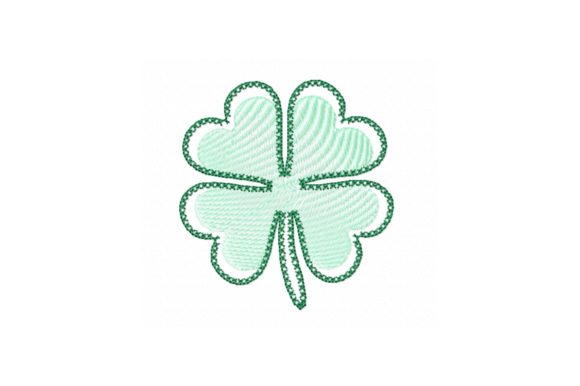
Clover Embroidery Design Review for Small Business Merch
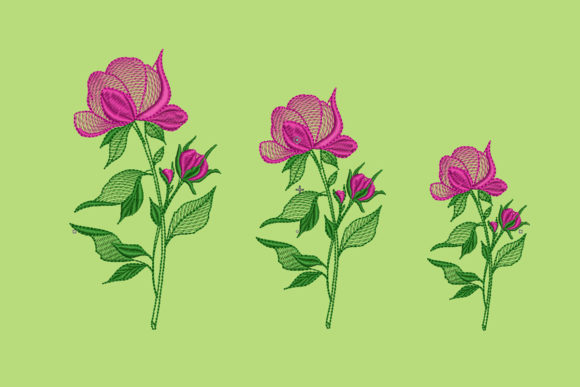
As an embroidery designer who has spent years digitizing and testing files for commercial use, I approach every new machine embroidery design with a critical eye. It is not just about whether a pattern looks pretty on a screen; it is about how it performs under the needle when producing hundreds of units for a client. Today, I am reviewing Clover, a simple two-color design from the Single Flowers category. While the product description highlights its suitability for napkins, potholders, and children's clothing, my focus is strictly on its viability for small business merch, branded patches, and professional apparel.
First Impressions: A Versatile Brand Asset
Upon loading the digital embroidery file, the immediate impression of Clover is one of approachable elegance. The simplicity of the two-color palette suggests a design that is meant to be friendly yet classic. In the world of branding, less is often more. A complex floral motif can get lost on a small hat or become a muddy mess on a textured tote bag, but a clean, two-tone clover offers high recognition value. It feels rustic enough for a bakery or florist but modern enough for a boutique lifestyle brand. The lack of excessive detail implies that this design prioritizes clarity, which is essential for building a strong brand identity.
Real-World Application for Commercial Embroidery
The true test of any embroidery file is its adaptability across different products. For a local café, Clover could serve as a subtle chest logo on staff work shirts, providing a uniform look without overwhelming the garment. Because it is described as well-suited for various items, I can envision it working beautifully as an apron embroidery accent for a flower shop or a creative studio. The two-color limitation is actually a strength here; it reduces thread costs and production time, making it ideal for high-volume orders.
For handmade brands selling on Etsy, this design shines as an embroidered patch. Patches are a massive trend in small business merch, allowing creators to add value to plain goods. Clover would look exceptional sewn onto canvas tote bags as a tote bag design element or applied to denim jackets. Its simplicity ensures that even when scaled down for a small label, the shape remains recognizable. Furthermore, for businesses creating customer gifts or event merch, this design acts as a perfect seal of quality, turning a standard item into a branded keepsake.
Strategic Use Cases for Specific Industries
- Bakeries and Cafés: Use as a sleeve detail on barista aprons or a small mark on pastry boxes.
- Florists and Garden Centers: Ideal for cap embroidery on team hats or as a logo on plant tags.
- Pet Brands: Works well on bandanas or pet apparel where soft, simple designs are preferred.
- Boutiques: Perfect for labeling handmade products or adding a signature touch to packaging accents.
Technical Considerations and Potential Pitfalls
While Clover appears robust, there are specific scenarios where caution is required. When dealing with stitch density, even simple designs can cause puckering if the fabric is too lightweight or the stabilizer is insufficient. Since this is a floral design, ensure that the spacing between the leaves and stems is wide enough to prevent thread bridging, especially if you are using a thick cotton or a textured linen.
Another critical factor is the surface curvature. If you plan to use this for cap embroidery, remember that the front panel is curved. A design that looks flat on a hoop might distort slightly on a structured cap. Always run a test stitch-out on a similar curved surface before committing to a full production run. Additionally, while two colors are great for cost-efficiency, ensure there is enough contrast between the thread colors and the garment. On dark uniforms, a light-colored outline is mandatory to maintain visibility; otherwise, the design will disappear into the fabric texture.
Impact on Brand Identity and Customer Trust
In the competitive landscape of small business, visual consistency is key to customer trust. Using a cohesive design like Clover across all touchpoints—from employee uniforms to product packaging—creates a professional image. It signals to the buyer that attention to detail matters. A sloppy or overly complicated logo can detract from the perceived value of a handmade product, but a clean, well-executed embroidery enhances it. This design has the potential to become a recognizable symbol for your brand, fostering engagement and loyalty among your customers.
Professional Designer Notes for Production
Before you begin stitching for clients, adhere to these practical steps to ensure the finished product meets commercial standards:
- Test in Black and White: Remove color variables to check if the shape holds up purely on form. This confirms its versatility for monochrome branding.
- Check Small Patch Sizes: Stitch a minimum size version to ensure details do not merge. If it becomes illegible below a certain inch mark, advise clients against using it for tiny labels.
- Review Thread Contrast: Verify that your chosen thread colors pop against the specific fabric weight you are using.
- Inspect Spacing: Look for areas where stitches might crowd each other, particularly in the center of the clover leaves.
- Confirm Hoop Size: Although the description mentions multiple formats, always verify the required hoop size against your machine's capabilities to avoid re-digitizing.
- Test on Real Fabric: Never rely solely on digital simulations. Stitch on the actual material intended for the final product to check for puckering or pull.
- Use Proper Stabilizer: Match your stabilizer to the fabric texture; cut-away is often safer for items that will undergo frequent washing.
- Create a Printable Mockup: Generate a realistic printable mockup for client approval to manage expectations regarding size and placement.
- Compare Design Assets: Place Clover beside your existing logo or other design assets to ensure visual harmony.
- Confirm Licensing: Crucially, verify the commercial licensing terms. The description notes it comes in multiple formats, but you must confirm you have the right to use it for resale and commercial embroidery projects.
In conclusion, Clover is a promising asset for small business owners looking to elevate their merchandise. Its simplicity is its superpower, offering flexibility across custom apparel, accessories, and home goods. However, like any tool, its success depends on the skill of the operator and the care taken during the setup phase. By respecting the technical limitations and leveraging its clean aesthetic, you can turn this simple floral motif into a powerful component of your brand's story.