Green Arabesque Border: A Designer's Review for Craft Fairs
As I spread out my samples on the folding table, preparing for another weekend of craft fairs and handmade markets, my eyes immediately drift to the Green Arabesque Border. In a sea of cute fonts and rustic farmhouse motifs, this design stands apart with a quiet elegance. It feels premium, decorative, and timeless. For us as embroidery business owners and boutique makers, finding a design that bridges the gap between intricate artistry and practical production is rare. This review breaks down how this specific border performs in the real world, from the hoop to the customer's hand.
First Impressions and Market Appeal
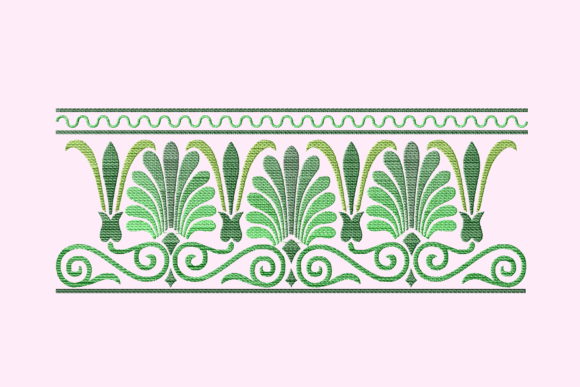
The first thing you notice about the Green Arabesque Border is its sophistication. Unlike bold, blocky designs meant for sports teams or funny slogan tees, this piece whispers luxury. The arabesque style, characterized by rhythmic linear patterns and interlacing foliage, brings a sense of history and refinement. When stitched in rich greens against natural linens or crisp whites, it screams "high-end handmade."
For an Etsy seller or a booth vendor, visual appeal is everything. Customers walking past a table often make split-second decisions. This design catches the eye not because it shouts, but because it invites closer inspection. It suggests that the finished product was made with care and skill. It fits perfectly into trends favoring botanical themes, cottagecore aesthetics, and elevated home decor. It is not just a craft fair product; it is a statement of quality.
Where This Design Shines: Product Applications
The versatility of a border design is its greatest asset. Because the Green Arabesque Border can be repeated to create a pattern or stitched on its own, it offers flexibility for various small shop products. Here is how I evaluate it across different items:
- Tote Bags and Market Bags: This is arguably the best application. Placing the border along the bottom hem of a canvas tote creates a balanced, professional look. It transforms a plain bag into a chic accessory that customers love to carry.
- Aprons and Tea Towels: Kitchen textiles are staples at any market. An apron embroidery featuring this border along the waistband or pocket adds a custom touch that mass-produced items lack. Similarly, tea towel embroidery benefits from the linear nature of the design, framing the cloth beautifully without overwhelming the fabric.
- Pillow Covers: Home decor buyers are always looking for unique accents. Stitching this border across the center or edges of a pillow cover elevates the perceived value, allowing you to charge a premium price point.
- Patches and Pouches: If you offer embroidered patches, this design works well as a long, narrow strip. It can also adorn the flap of a small fabric pouch, adding a delicate detail that feels special.
While it could work on caps, one must be cautious. The curved surface of a cap can distort linear patterns. However, if placed correctly on the side panel or above the brim, it can look striking. For digital sellers, this design is excellent for creating printable mockups that showcase texture and depth in online listings.
Production Practicality and Batch Efficiency
Running a successful embroidery business means balancing beauty with efficiency. The Green Arabesque Border appears to be designed with repeatability in mind. If you are producing a run of twenty tote bags, being able to chain stitch this border or use a multi-head machine effectively is crucial.
The design looks intricate, which usually implies a higher stitch density. While this contributes to the lush, premium feel, it also means longer run times. You need to factor this into your pricing strategy. Does the extra time justify a higher price? Absolutely, if the result looks this good. Customers perceive dense, detailed stitching as higher quality compared to sparse, sketchy fills.
Photography is another win here. Intricate details photograph exceptionally well for Etsy listings. Close-up shots of the thread interplay will stop scrollers in their tracks. The contrast between the green threads and the fabric texture creates visual interest that flat graphics simply cannot match.
Critical Considerations for the Embroiderer
Before committing to a large batch, every professional designer knows you must test. The description notes the design is intricate, which brings specific challenges regarding fabric texture and stability.
- Fabric Choice: Intricate borders can get lost on thick, textured towels or dark fabrics if the thread colors do not provide enough contrast. Always test on the exact material you intend to sell. A smooth cotton or linen blend will likely show off the details better than a coarse burlap.
- Stabilizer Selection: Given the potential density, using the right stabilizer is non-negotiable. A cut-away stabilizer might be necessary for stretchy fabrics like jersey knits to prevent distortion, while tear-away could suffice for stable wovens like tote bag canvas.
- Scale and Clarity: If you plan to shrink this design for small pouches or narrow ribbons, ensure the tiny details do not merge together. Some elements may lose clarity at smaller sizes. Check the minimum recommended size before resizing.
- Hoop Size: Confirm the required hoop size before setting up your machine. Since this is a border, it may require a larger hoop or a re-hooping strategy if you are creating a continuous pattern.
It is vital to remember that specific technical details like exact stitch count, file formats, or specific license terms are not provided in the brief description. You must verify these details with the file provider. Never assume a digital embroidery file includes commercial rights; always confirm commercial embroidery licensing before selling finished goods.
Maximizing Value and Brand Consistency
Incorporating the Green Arabesque Border into your lineup does more than just add a pretty item; it strengthens your brand identity. Consistently using high-quality, elegant designs signals to your customers that you are a serious artisan. It helps differentiate your booth from vendors selling generic, low-effort items.
When a customer picks up a tote bag with this border, they aren't just buying a bag; they are buying a piece of art. This emotional connection drives buyer engagement and increases the likelihood of a sale. It encourages them to linger at your table, ask about your process, and appreciate the handmade product nature of your work.
Ultimately, the Green Arabesque Border is a strong contender for any maker looking to elevate their offerings. It balances aesthetic beauty with functional application. Whether you are a seasoned pro or a creative entrepreneur just starting, this design offers a pathway to creating stunning, sellable goods. Just remember to test your tension, check your stabilizer, and let the intricate beauty of the arabesque style do the selling for you.