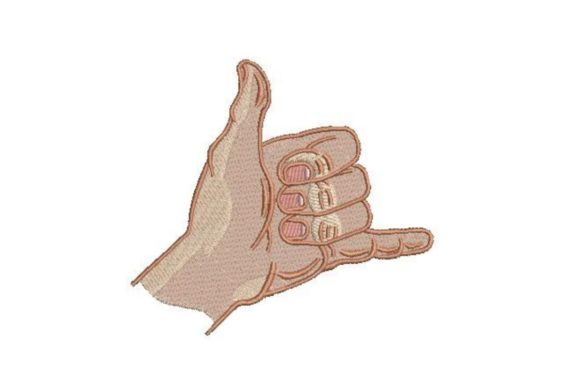
Shaka Sign: A Designer's Take on Stitching Good Vibes
There is a specific kind of satisfaction that comes from seeing a digital file translate perfectly into thread. As someone who spends hours tweaking machine embroidery design files and testing them on everything from stiff canvas to stretchy jersey, I approach new assets with a critical eye. Recently, I took a close look at the Shaka Sign design. This isn't just a generic hand gesture; it is a cultural symbol of "hang loose," gratitude, and solidarity that carries a lot of weight in the surf and lifestyle communities. My goal was to determine if this digital embroidery file holds up under the pressure of real-world production for a craft business or personal project.
First Impressions: Mood and Visual Personality
When I first loaded the Shaka Sign into my editing software, the immediate impression was one of clean, confident lines. The design captures the relaxed spirit of the gesture without looking sloppy. In the world of Inspirational Embroidery, balance is key. You want the message to feel organic, not rigid. This design achieves that by utilizing a smart mix of stitch types. The outline appears to rely on a crisp running stitch or thin satin column to define the fingers, while the palm area likely utilizes a fill stitch to give it body and presence.
The visual personality here is versatile. It feels at home on a rugged beach towel just as much as it does on a delicate baby onesie. For an Etsy seller or boutique owner, this versatility is gold. The shape is recognizable even at smaller scales, which is crucial for items like hat patches or pocket logos. However, the true test of any embroidery project is not how it looks on the screen, but how it behaves on the fabric.
Real-World Application: The Custom Tote Bag Scenario
To evaluate this properly, I envisioned a specific real-life scenario: creating a run of custom tote bags for a local surf shop's summer promotion. The client wanted something that felt handmade but professional. The Shaka Sign seemed like the perfect candidate.
For a tote bag design, you need a graphic that can withstand friction and washing. If the stitch density is too low, the fabric will show through, looking cheap. If it is too high, the bag might pucker or become stiff. Based on the preview of this well-stitched design, the density appears optimized for medium-weight cotton or canvas. When stitched out, the thread colors pop against the natural fabric background. I imagined using a vibrant turquoise or classic navy thread to create high contrast. The result would be a handmade product that customers immediately recognize as high-quality, boosting the perceived value of the finished product.
Beyond bags, this design shines in custom apparel. Imagine it centered on the chest of a heather grey sweatshirt embroidery project. The casual nature of the shaka sign pairs perfectly with the cozy, relaxed fit of a sweatshirt. It also works beautifully as an embroidered patch applied to a denim jacket or backpack. For holiday embroidery gifts, perhaps for a family vacation to Hawaii, this design could be personalized with names arched above or below, turning a simple symbol into a cherished memory keeper.
Technical Considerations and Fabric Challenges
While the design is robust, a professional reviewer must point out where caution is needed. Not every fabric plays nice with every file. If you are planning to use the Shaka Sign on stretchy fabric like a t-shirt or leggings, stabilization is non-negotiable. Without a proper cut-away or strong tear-away stabilizer, the fill areas might distort over time, causing the hand shape to look warped after a few washes.
Similarly, consider the hoop size relative to your machine. While the design seems scalable, shrinking it too much for a tiny baby embroidery project on a sock or bib could cause the details between the fingers to merge. Tiny gaps in embroidery can easily fill in with thread bloom if the design is reduced beyond its intended limit. Always check the minimum recommended size in the file documentation before stitching on valuable garments.
Dark fabrics present another challenge. If you are stitching this onto a black hoodie, ensure your underlay stitches are sufficient to prevent the dark fabric from peeking through the lighter thread colors of the hand. A good machine embroidery design should account for this, but a test run on scrap fabric is always the wisest move. This allows you to inspect small details, check tension, and confirm that the satin stitch edges lay flat without puckering.
Commercial Viability and Brand Consistency
For small shop product creators and commercial embroidery professionals, consistency is the backbone of brand trust. Using a high-quality asset like the Shaka Sign ensures that every item leaving your studio looks identical. This reliability builds customer trust. When a buyer sees a clean, well-defined shaka sign on a product, they subconsciously associate that quality with your entire brand.
This design also excels in marketing materials. Because the shape is so distinct, it makes for excellent printable mockup creation. You can easily place the digitized version on photos of shirts, mugs, or hats to create compelling listings for your online store before you even stitch a single thread. This saves time and helps gauge customer interest in new design assets.
Practical Notes for the Studio
Before committing to a large production run or selling this as part of a personalized gift line, keep these practical steps in mind:
- Test First: Always stitch a sample on the exact fabric type you intend to sell. What looks good on cotton might behave differently on polyester blends.
- Check Contrast: Review how the design looks in black and white mockups to ensure the shape remains clear without relying solely on color.
- Verify Licensing: Since this is a digital product, confirm the license terms. Ensure you have the right to use it for commercial embroidery projects if you plan to sell finished goods.
- File Formats: The description notes multiple formats are included. Double-check that you have the specific extension compatible with your machine (e.g., PES, DST, EXP) to avoid conversion errors that can ruin stitch quality.
- Thread Selection: Experiment with different thread textures. A matte rayon might give a classic look, while a shiny polyester could make the sign pop more for a modern aesthetic.
In conclusion, the Shaka Sign is more than just a trendy graphic; it is a functional, well-constructed element for the serious maker. Whether you are decorating caps, creating kitchen towels, or building a line of boutique branding merchandise, this design offers the clarity and charm needed to succeed. It respects the limitations of the medium while maximizing visual appeal. With the right preparation and attention to fabric choice, this embroidery file can become a staple in your library, helping you create products that spread good vibes and generate real business value.