Tabby Cat: A Realistic Design Review for Craft Fair Success
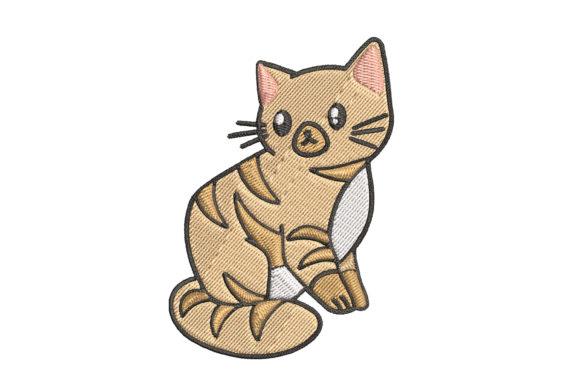
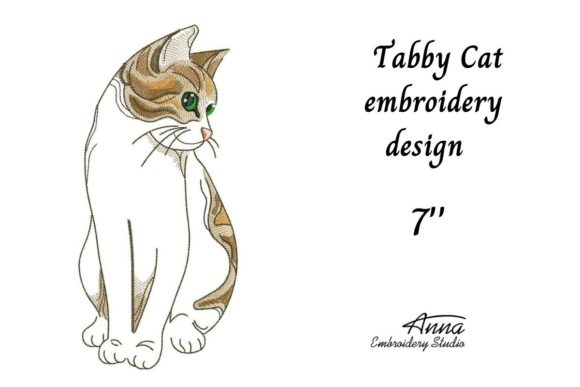
As an embroidery designer preparing for a busy weekend at the local artisan market, my eyes are always scanning for designs that stop customers in their tracks. When I pulled up the Tabby Cat machine embroidery design, my first impression was one of immediate warmth and approachability. This isn't just a generic silhouette; the description promises a "realistic cat" ready to transform fabrics into playful art. In the world of Cats and Embroidery, realism can be a double-edged sword, but if executed well, it elevates a simple handmade product into something premium. For booth sellers and Etsy seller accounts alike, this design feels like a versatile asset that bridges the gap between rustic farmhouse charm and modern pet lover aesthetics.
Visual Impact and Booth Display Strategy
The moment you hoop up Tabby Cat, the level of detail becomes apparent. For a craft fair table, visual hierarchy is everything. Customers walking past your booth have seconds to decide whether to stop. A realistic feline face offers high engagement because people naturally connect with animal expressions. I envision this design working exceptionally well as a focal point on neutral-toned items. Imagine a cream-colored canvas tote bag design where the tabby's stripes provide just enough contrast to pop without looking cartoonish.
On a display table, consistency sells. If you are running a boutique maker stall, placing Tabby Cat on a series of coordinated items creates a powerful brand story. It works beautifully on apron embroidery for the home cook who loves pets, or as a central motif on tea towel embroidery sets. The "playful" nature mentioned in the product description suggests the cat might have a lively posture or expression, which adds personality to otherwise utilitarian kitchen goods. For small shop product lines, this kind of thematic consistency helps buyers visualize the item in their own homes, increasing the likelihood of a sale.
Product Versatility and Production Practicality
One of the strongest selling points of Tabby Cat is its adaptability across different substrates. However, not every surface is created equal. Here is how I would evaluate this design for specific craft fair product categories:
- Tote Bags and Market Bags: These are high-volume sellers. The flat surface of a tote allows the realistic details of the cat to shine. Ensure you use a cut-away stabilizer to prevent the weight of the bag from distorting the intricate fur details over time.
- Aprons and Tea Towels: These items often use textured fabrics like waffle weave or heavy cotton. Tabby Cat needs to be tested here; too much texture can swallow fine stitching. If the design has dense areas, it will hold up well, but tiny whiskers might get lost on a rough towel.
- Caps and Hats: Embroidering on a curved surface is tricky. If Tabby Cat is wide, it might distort on a standard cap front. It would work better as a smaller accent on the side or if the design file includes a version optimized for curved hoops.
- Embroidered Patches: This is a trending category. If the design has a clean border or can be easily digitized with a merrow edge, Tabby Cat patches could be a huge hit for customers who want to customize their own jackets or bags later.
- Pillow Covers: Home decor is a high-margin category. A large-scale version of this cat on a linen pillow cover screams "premium handmade." It appeals to buyers looking for unique gifts that mass retailers don't carry.
Technical Considerations for the Professional Maker
Before committing to batch production for a market, technical due diligence is non-negotiable. The product note mentions, "Tip this embroidery requires," but cuts off before specifying the exact constraints. This is a critical reminder for any commercial embroidery professional: always verify the hoop size, stitch density, and recommended thread colors before purchasing or stitching.
Realistic designs often rely on high stitch density to create shading and depth. While this looks stunning in the finished product, it can cause puckering on lightweight fabrics or stretchy knits. My advice is to test the digital embroidery file on scrap fabric identical to your final product. Check how the thread interacts with the fabric texture. Dark fabrics present another challenge; if the design relies on black thread for outlines, it will vanish on a navy or charcoal background. You may need to adjust the thread chart or add a underlay stitch to make the Tabby Cat stand out against darker materials.
Furthermore, consider the scale. Does the design lose clarity when resized? A realistic cat face needs a minimum size to maintain the integrity of the eyes and nose. If you plan to sell small pouches or coin purses, ensure the design remains recognizable at that reduced scale. If the details blur together, it loses its appeal. For online sales, this is equally important. Your printable mockup and product photos must show crisp details. Blurry embroidery in photos suggests low quality, even if the physical item is perfect.
Maximizing Value and Customer Engagement
In the competitive landscape of handmade markets, perceived value drives price. Tabby Cat has the potential to command a higher price point than simpler, sketch-style designs because of its realistic complexity. Customers perceive detailed Embroidery as more labor-intensive and skilled. To leverage this, display your finished items where the lighting highlights the sheen of the thread and the dimensionality of the stitches.
For Etsy listings, use the "realistic" aspect in your titles and tags. Phrases like "lifelike cat embroidery" or "detailed tabby design" attract specific buyers. When creating design assets for your marketing, show the cat in context—on a cozy kitchen apron or a sturdy tote bag filled with groceries. This helps the buyer imagine the utility and beauty of the finished product.
Finally, never overlook licensing. Since we are discussing commercial embroidery, confirm that the license for Tabby Cat allows you to sell physical goods made with the design. Some designers restrict the number of items you can sell or require an upgraded license for commercial use. Protecting your business means respecting these terms while maximizing the creative potential of the file.
In conclusion, Tabby Cat appears to be a robust contender for your next craft fair lineup. Its blend of realism and playfulness fits perfectly with current trends in pet-themed home goods and accessories. By carefully selecting fabrics, testing stitch performance, and presenting the design on high-quality items like tote bags and pillows, you can turn this single embroidery file into a cornerstone of your seasonal collection. Just remember to check those missing technical specs, run your tests, and let this charming feline bring a touch of whimsy to your booth.