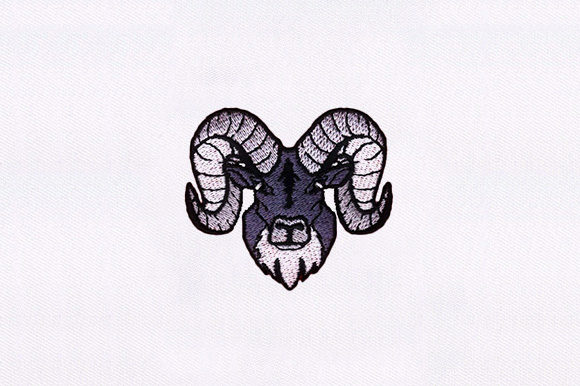
Argali Face: A Bold Farm Animal Design for Craft Fairs
As an embroidery designer who has spent countless weekends behind a booth table, I know that the difference between a browsing customer and a buyer often comes down to split-second visual impact. When I pulled up the Argali Face machine embroidery design to evaluate it for my upcoming craft fair lineup, I wasn't just looking at pixels on a screen; I was imagining how it would look on a linen tote bag under fluorescent convention hall lights or stitched onto a rustic kitchen towel. This design falls squarely into the Farm Animals category, but its potential goes far beyond simple agricultural themes. It feels rugged yet approachable, possessing a character that bridges the gap between modern farmhouse chic and outdoor adventure aesthetics.
First Impressions and Visual Appeal
The moment you view the Argali Face, the impression is one of boldness and texture. Unlike some delicate floral motifs that get lost from three feet away, this design commands attention. The argali, a majestic wild sheep known for its impressive horns, offers a silhouette that is instantly recognizable even when scaled down. For a handmade product seller, this is gold. In a crowded market aisle, customers are scanning tables rapidly. A design with strong lines and distinct features like the Argali Face stops the eye. It feels less "cute" in a nursery sense and more "premium rustic," making it suitable for a wider demographic, from hikers to home cooks who love mountain decor.
When considering this as a craft fair product, the mood it sets is essential. It suggests durability and nature. If your brand focuses on outdoor gear, cabin life, or high-quality homesteading goods, this design aligns perfectly. It does not feel fleeting or trendy; it feels timeless, which increases the perceived value of the finished product.
Strategic Product Placement for Maximum Sales
To truly gauge the viability of the Argali Face, I mentally placed it on various items in my inventory. Here is how it performs across different mediums:
- Tote Bags and Market Bags: This is arguably the strongest contender for this design. A large-scale Argali Face centered on a canvas tote creates an instant statement piece. The tote bag design potential here is huge because the subject matter appeals to people who appreciate wildlife and conservation.
- Aprons and Tea Towels: For the apron embroidery market, placing this on the bib of a heavy-duty canvas apron looks professional and thematic. Similarly, tea towel embroidery benefits from the clear lines of the face, provided the fabric isn't too textured.
- Caps and Hats: This is where caution is needed. While a cap is a top seller at fairs, the curved surface can distort detailed faces. If the horn details are intricate, they might puckers on a structured cap. However, as a simplified front-panel logo, it could work well for outdoor brands.
- Patches and Pouches: An embroidered patch featuring the Argali Face could be a standalone bestseller. Customers love buying patches to customize their own gear. On small fabric pouches, the design acts as a perfect focal point without overwhelming the small space.
- Pillow Covers: For home decor, this design shines on neutral-toned pillow covers. It adds a touch of wilderness to a living room, appealing to the "mountain modern" interior design trend.
Production Realities and Technical Considerations
Turning a digital embroidery file into a physical asset requires a critical eye for technical execution. The Argali Face comes in a vast array of formats including DST, PES, EXP, and JEF, which is excellent for compatibility with various machines. However, before running a batch of fifty items, specific production factors must be addressed.
First, consider the stitch density. Animal faces often require careful shading to capture expression. If the density is too high on a thick fabric like a towel or denim, the fabric may pucker or become stiff. Conversely, if the density is too low on a stretchy knit, the backing might show through. It is crucial to test the design on scrap fabric that matches your intended product material.
Second, evaluate the thread colors. The natural tones of an argali—browns, tans, and creams—can sometimes blend too much with beige or khaki fabrics. To ensure the Argali Face pops, I recommend using high-contrast thread choices or stitching it on darker navy, forest green, or charcoal fabrics where the lighter tones of the animal will stand out sharply.
Third, pay attention to the hoop size requirements. While the file formats suggest versatility, you must confirm the specific dimensions included in your purchase. If the design is large, ensure your hoop can accommodate it without excessive re-hooping, which slows down production during busy prep weeks.
Selling Strategy and Customer Engagement
For the Etsy seller or boutique maker, photography is everything. The Argali Face photographs exceptionally well because of its defined shapes. When creating printable mockup assets or taking photos for social media, ensure the lighting highlights the texture of the stitches. Close-up shots showing the satin stitch work on the horns or the fill stitch on the face can convey quality and justify a higher price point.
This design also supports brand consistency. If you are building a line of small shop products centered around nature or rural life, the Argali Face serves as a strong anchor. It tells a story about the wild and the untamed, which resonates emotionally with buyers looking for meaningful gifts rather than mass-produced items.
Regarding commercial embroidery and licensing, always verify the terms before selling. While the file formats indicate it is ready for machine use, you must confirm that the license allows for unlimited physical sales of finished goods. Never assume; check the documentation provided with the download.
Final Designer Notes for Success
Before committing to a full production run for your next market, follow these practical steps:
- Test on Texture: Stitch the design on a waffle-weave towel and a smooth cotton canvas. Compare how the fabric texture affects the clarity of the face.
- Check Stabilizer: Use the appropriate stabilizer for your fabric weight. A cut-away stabilizer is often safer for wearables to prevent distortion over time.
- Review Spacing: Ensure there is enough clearance around the design within the hoop to avoid frame marks on the final product.
- Create a Mockup: Make at least one real sample to display at your booth. Customers need to touch and feel the quality of the handmade product to be convinced.
- Verify Details: Since exact stitch counts and specific hoop dimensions vary by vendor, review the readme file included with the 10O, ART, CND, DSB, DSZ, TAP, VIP, VP3, and XXX files to ensure they match your machine's capabilities.
In conclusion, the Argali Face is a versatile and compelling choice for the serious embroidery entrepreneur. It balances artistic detail with the boldness required for retail environments. Whether applied to a rugged tote or a cozy pillow, it elevates the item from a simple commodity to a piece of art. With careful attention to fabric choice and stitch execution, this design has the power to become a staple in your craft fair inventory, drawing in customers who appreciate the beauty of the natural world.