Napkin Wearing Dog: A Craft Fair Best-Seller Review
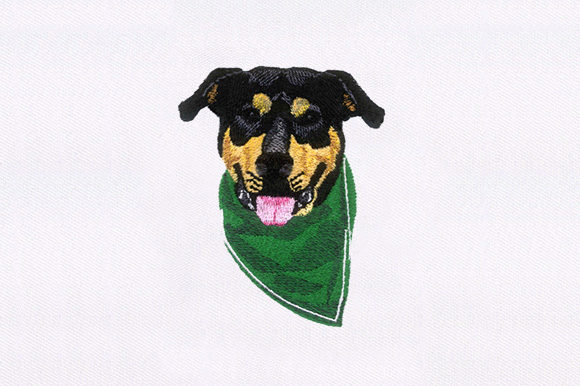
As an embroidery designer who has spent countless weekends setting up booth displays at local craft fairs and handmade markets, I know that the difference between a design that gathers dust and one that flies off the table often comes down to immediate visual impact. When I first loaded the Napkin Wearing Dog machine embroidery design onto my screen, my initial reaction was one of delight mixed with practical calculation. This isn't just a cute image; it is a potential craft fair product powerhouse. The concept of a dog wearing a napkin immediately evokes a sense of humor, domestic warmth, and that specific "farmhouse chic" aesthetic that dominates current home decor trends. For Etsy sellers and boutique makers looking to capture the attention of pet lovers and foodies alike, this design offers a unique blend of whimsy and utility.
First Impressions and Market Appeal
The strength of the Napkin Wearing Dog lies in its narrative. In a crowded marketplace where customers are scanning hundreds of items per minute, a design that tells a quick, funny story stops them in their tracks. Is it bold? Yes, in its conceptual humor. Is it elegant? Perhaps not in the traditional sense, but it possesses a premium, handcrafted charm that appeals to buyers looking for personality in their handmade product selections. The imagery suggests a playful scene, likely perfect for the kitchen or dining room, which aligns perfectly with the high-demand categories of home textiles and pet accessories. For creative entrepreneurs, this design bridges the gap between novelty and decor, making it versatile enough for various demographics.
Strategic Product Placement for Maximum Sales
When planning my booth layout, I evaluate where a specific embroidery file will perform best. The Napkin Wearing Dog is exceptionally well-suited for kitchen linens. Imagine this design centered on a high-quality linen tea towel embroidery project; the contrast of the stitching against natural fabric textures creates an instant focal point. It would also shine as an apron embroidery feature, turning a standard cooking garment into a conversation piece for the host of a dinner party. Beyond the kitchen, this design translates beautifully to a tote bag design. A canvas market bag featuring this playful pup becomes a statement accessory for dog walkers or grocery shoppers who appreciate humor.
For those focusing on smaller, impulse-buy items, consider creating an embroidered patch. Patches are incredibly popular at craft fairs because they allow customers to customize their own jackets or bags later. Additionally, applying this motif to fabric pouches or pillow covers can elevate a simple small shop product into a giftable item with perceived higher value. The key is to present these items in a way that shows the design in context—folded towels next to a cutting board, or a tote bag hanging from a rustic hook.
Production Practicality and Batch Efficiency
From a production standpoint, the viability of a design often depends on how repeatable it is. The Napkin Wearing Dog appears to have clear defined shapes, which suggests it should be manageable for batch production. However, before committing to a full run of fifty aprons, there are critical technical factors to consider. One must pay close attention to stitch density. If the design includes large filled areas representing the dog's fur or the napkin fabric, excessive density can lead to puckering, especially on lighter weight materials like tea towels. Conversely, if the density is too low, the backing fabric might show through, ruining the professional look of the finished product.
The provided file formats—ranging from DST and PES to ART and JEF—indicate broad compatibility with most major embroidery machines. This versatility is crucial for commercial embroidery operations that may switch between single-needle home machines and multi-needle commercial units. However, since specific hoop sizes and exact stitch counts are not detailed in the product description, it is imperative to check these details within the downloaded folder before hooping your fabric. Assuming the wrong hoop size could result in a truncated design or unnecessary re-hooping, killing your production efficiency.
Navigating Fabric Textures and Challenges
Not all surfaces are created equal. While the Napkin Wearing Dog looks fantastic on flat cotton, challenges arise when moving to textured or curved surfaces. For instance, embroidering on a waffle-weave towel requires a careful choice of stabilizer to prevent the stitches from sinking into the texture. Similarly, if you decide to place this design on a cap, the curved surface demands precise positioning and potentially a different underlay strategy to maintain clarity. Dark fabrics present another consideration; ensure that the thread colors selected provide sufficient contrast. A dark dog on a black tote bag will vanish, whereas a light-colored napkin element might pop beautifully.
Tiny details are another area of caution. If the design includes small facial features or intricate folds in the napkin, these elements may lose clarity if the design is resized too small. Always test the design on scrap fabric that matches your final product material. This step allows you to inspect spacing, confirm that no thread breaks occur in dense areas, and verify that the overall aesthetic holds up in person, not just on the screen.
Enhancing Brand Consistency and Visual Appeal
Incorporating the Napkin Wearing Dog into your product line can significantly boost your brand's personality. It signals to customers that your shop doesn't just sell generic items but offers curated, fun, and thoughtful designs. This emotional connection drives buyer engagement. When photographing these items for online listings or creating a printable mockup for your digital store, focus on lifestyle imagery. Show the embroidered towel draped over a stove handle or the tote bag being held by a happy customer. These visuals help potential buyers envision the product in their own lives.
Furthermore, consistency is key. If you choose to make this a signature item, consider offering it in a coordinated color palette across different products. Maybe the thread colors match a specific seasonal trend, or perhaps you offer a "custom name" add-on service alongside the design to increase the average order value. This approach transforms a simple digital embroidery file into a comprehensive revenue stream.
Final Designer Notes for Success
To ensure the Napkin Wearing Dog becomes a staple in your inventory, adhere to a strict quality control process. First, always create at least one real physical mockup before listing the item for sale. Digital renderings can be deceiving regarding texture and sheen. Second, compare how the design looks on various fabric colors; sometimes a slight adjustment in thread shade makes all the difference. Third, and perhaps most importantly, confirm the commercial licensing terms included with your purchase. While the wide array of formats suggests professional intent, you must verify that you have the right to sell finished goods made from this design asset.
In conclusion, the Napkin Wearing Dog is more than just a pattern; it is a strategic tool for the modern maker. With its strong appeal to dog owners and home decor enthusiasts, combined with its adaptability across various handmade market products, it stands out as a high-potential addition to any craft fair booth. By paying attention to technical details like stabilizer choice, fabric texture, and stitch density, you can transform this charming design into a profitable and beloved part of your collection.